
No Worries. Free Lonch. These words are indelible to my mind, much as they were to the sidewall of the Port-o-Potty at a construction jobsite on the Big Island of Hawaii in the autumn of 2005 (I’ve had a lot of side trails in my working history, sue me). I am pretty sure they were written in thick black sharpie but for whatever reason I visualize them brushed on with whiteout. Anderson, my erstwhile companion in those island labors, and I got a lot of mileage laughing and joking about that little dramatic scene: it is just so ripe for extrapolation and interpretation. At that tender age of “burgeoning adult” we had heard that there’s no such thing as a free lunch though life couldn’t possibly have yet taught us just how profoundly true it is. Here, surrounded by the cruising sailors of Mexico, I am oft-given cause to feel as though I float amongst an infinite number of possible authors of that graffiti poetry: I’m talking the true believers of getting something for nothing.
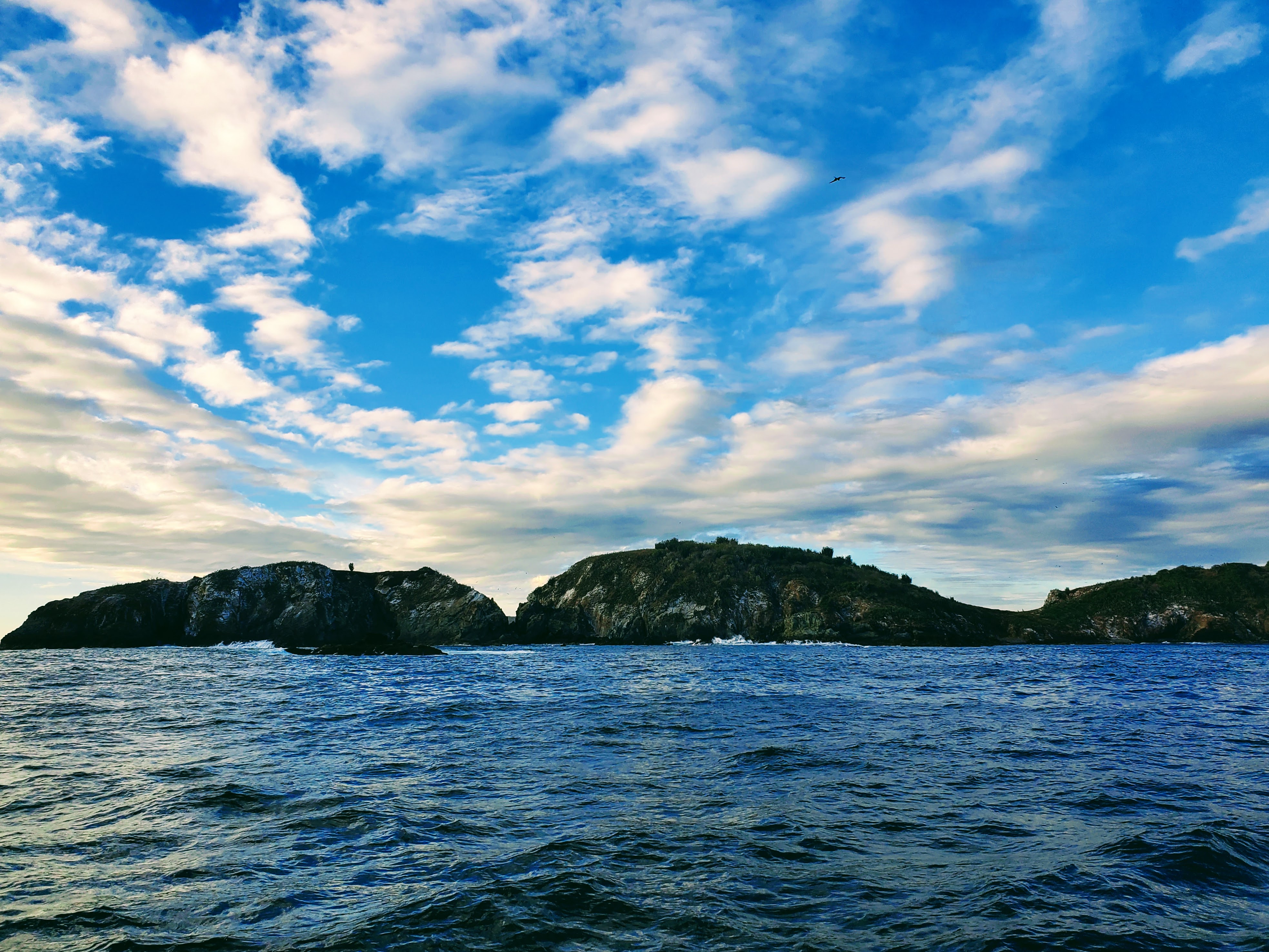
Finally, you might say, a post about sailing! Well, don’t be so quick to rejoice. I promise to assiduously endeavor for this post not to read like one long petty NextDoor (or is that redundant?) rant about my neighbors, but I can’t promise to achieve it.
I’ve ventured back north to Nayarit, in the outskirts of Puerto Vallarta (Bahia Banderas). I’m anchored off La Cruz de Huanacaxtle, in the middle of a fleet of other sailboats from the US and Canada–not in a marina but just outside. When I say fleet, I mean anywhere between 30 and 50+ boats scattered here like cockroaches before the light turns on. It is not an environs that I find particularly gratifying, and certainly is not representative of the first thoughts that spring to mind when imagining sailboat adventures along the Pacific Coast of North America, but neither is it unpleasant by any means. I guess I’d describe it as merely uninspiring. But here I am, for reasons divergent from sailboat adventures. What it does provide is a calm harbor for the boat, and reasonably easy access to land and land transportations, and it costs nothing to anchor here. In contrast, anchoring in the La Paz harbor runs something like a whopping 17 pesos a day, although many foreign boaters simply eschew payment, confusing lax enforcement with ambiguity of law. Here I can row my dinghy–about 20 min in calm conditions–into the marina and tie it up to a specially-designated dock and leave it to do whatever the hell I please, pretty safe in the understanding that it’ll still be there when I return. There’s also trash deposit and water at the dock, which is included in the 100 peso daily fee if I choose to use it. Pretty damn sweet deal, if you ask me, considering the immense impact that service has on my daily life. Or, I can dinghy or paddle board to the public beach and leave my equipment there, for no fee. Of course, I have no protection against theft, either, so each day I can take into account the various factors (am I just going for a beach walk, a quick taco run, or am I going to be gone for many hours, ect) and choose what to do. Life is good.
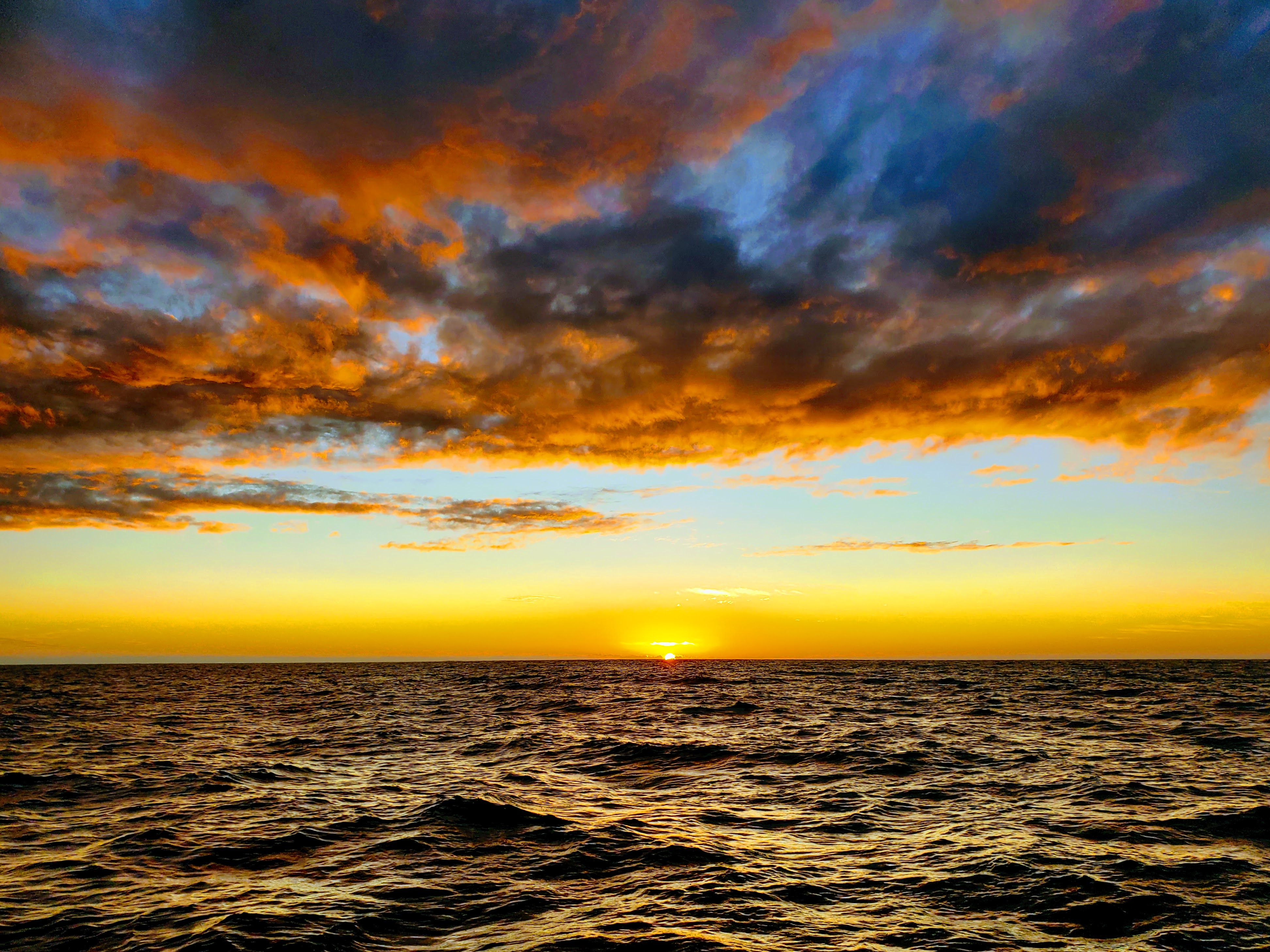
I kid you not that this dynamic works its way into probably 70% of the conversations I have with fellow boaters, and not just at this particular dock. People are irate that they need to pay to dock their dinghies. Last spring in Loreto, Baja California del Sur a Canadian couple and their three dogs screamed at the attendant of the municipal marina for quoting the 200 peso daily dinghy dock fee (mind you, it is also wonderfully free to anchor your boat of any size right off the town beaches). They screamed, then returned to their catamaran which I would estimate at having been worth about 5 million pesos. They then took their dinghy to the public beach, where they could leave it (unattended) for free in the sand. This is the #bajavanlife phenomenon in which casually affluent US/Canadian citizens spend north of $100k USD on sprinter vans in order to drive south and congregate with other #vanlifers in public beach enclaves, all in service of the avoidance of spending any extra pesos in the actual communities they are ostensibly visiting. My favorite beach in southern Baja to camp at is Playa Armenta. The private ranchito surrounding the beach is maintained by a caretaker, who asks for a 200 peso fee to trespass and camp (beaches themselves are public access, the surrounding lands don’t necessarily have to be). It is a very mellow environment, sometimes Benjamin is there, sometimes he’s away. On multiple distinct visits other campers have admitted to me they try to avoid him so as not to pay. The 200 pesos. Likewise here in La Cruz, I’ve noticed many boaters take their dinghies to other, unpatrolled sections of the dock and leave them there in a blatant effort to not pay for the service.
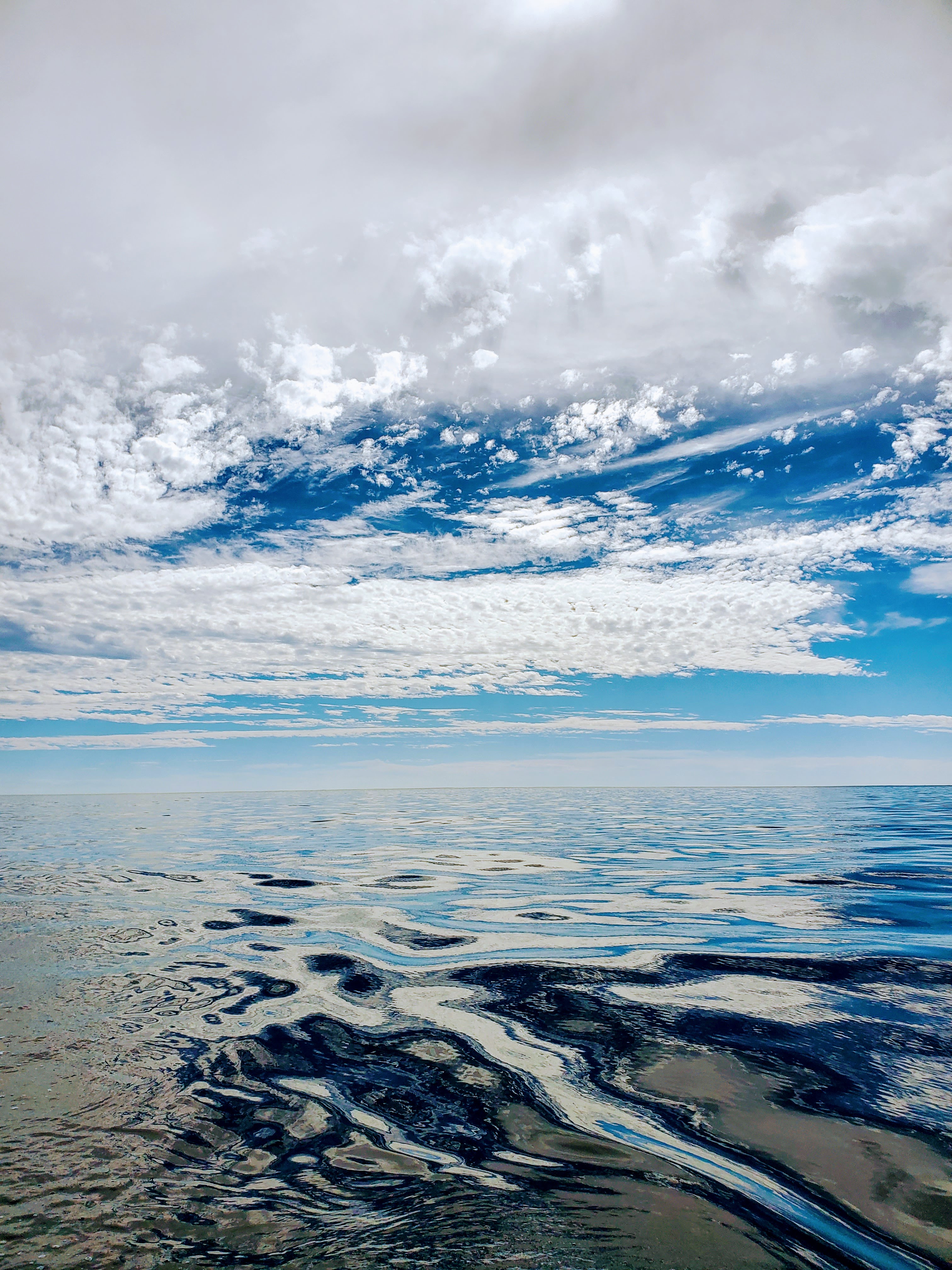
Waiting at the bus stop the other day, I was approached by a youngish gringo who was excited to loudly share with me that he had just found a place to buy a sandwich for 25 pesos. Now, I like a good bargain as much as anyone, so good for him! But then he starts to pepper me with questions about which supermarket is cheapest along the bus line. This dude is probably paying in the neighborhood of 25,000 pesos monthly to moor his sailboat in the marina, and he was legitimately stressing that he might choose a market in which eggs might be 6 pesos per unit instead of 5 pesos. Maybe get a grip, buddy, and use your extra time saved to try and learn a few basic words in Spanish.
Because that’s another aspect of this that dumbfounds me: people want Mexico to be an idyllic backwater country that is impossibly cheap, but they also seem to expect that every cashier, cook, and bus driver be educated in perfect english. Working these jobs probably earns someone in the ballpark of 10,000 pesos monthly, which is about $588 USD today. Monthly. But somehow “our” expected prerequisite is advanced bilingualism. Multiple long term sailboat cruisers have had the gall to tell me that “you don’t really need to learn Spanish” to live here. Is this really who we want to show ourselves to be?

My feelings about Bahia Banderas are in great conflict. The weather at this time of year is lovely. It is beautiful, and has pretty good accessibility for traveling within the region. There is cause for it to be very special to me. At the same time, I have immense reservations about participating in what I see to be the trampling of communities here. Luxury condos–springing up like weeds–feature advertisements heavily relying on images of very light skinned people and such poisonous blather as “redefining exclusivity” and “a private paradise all your own.” The population of Puerto Vallarta itself triples at peak occupancy of the resorts, hotels, and airbnbs. I witness with great embarrassment a pervasive cruise ship mentality amongst my fellow visitors from the US and Canada, no matter what vehicle brought us here. By cruise ship mentality I mean that there is a sense of blunt entitlement to our presence: rather than acting as guests, or visitors, or tourists we treat these shores as yet another buffet line to which our price-of-entry guarantees us free reign. Admittedly the US/Mexico cultural and economic relationship is incredibly complex, and I don’t deign to summarize it in a pithy anecdote or two. I’ll also admit to not making a strong effort to engage with fellow cruisers–I tend to prioritize the company of spanish speakers–which can foster a feeling of being apart from my sailboat brethren, which in turn can lead to petty critiques. I mean, don’t get me started on people who don’t turn on anchor lights at night. But that doesn’t feel like what this is. This is more profound, or maybe just…grosser.
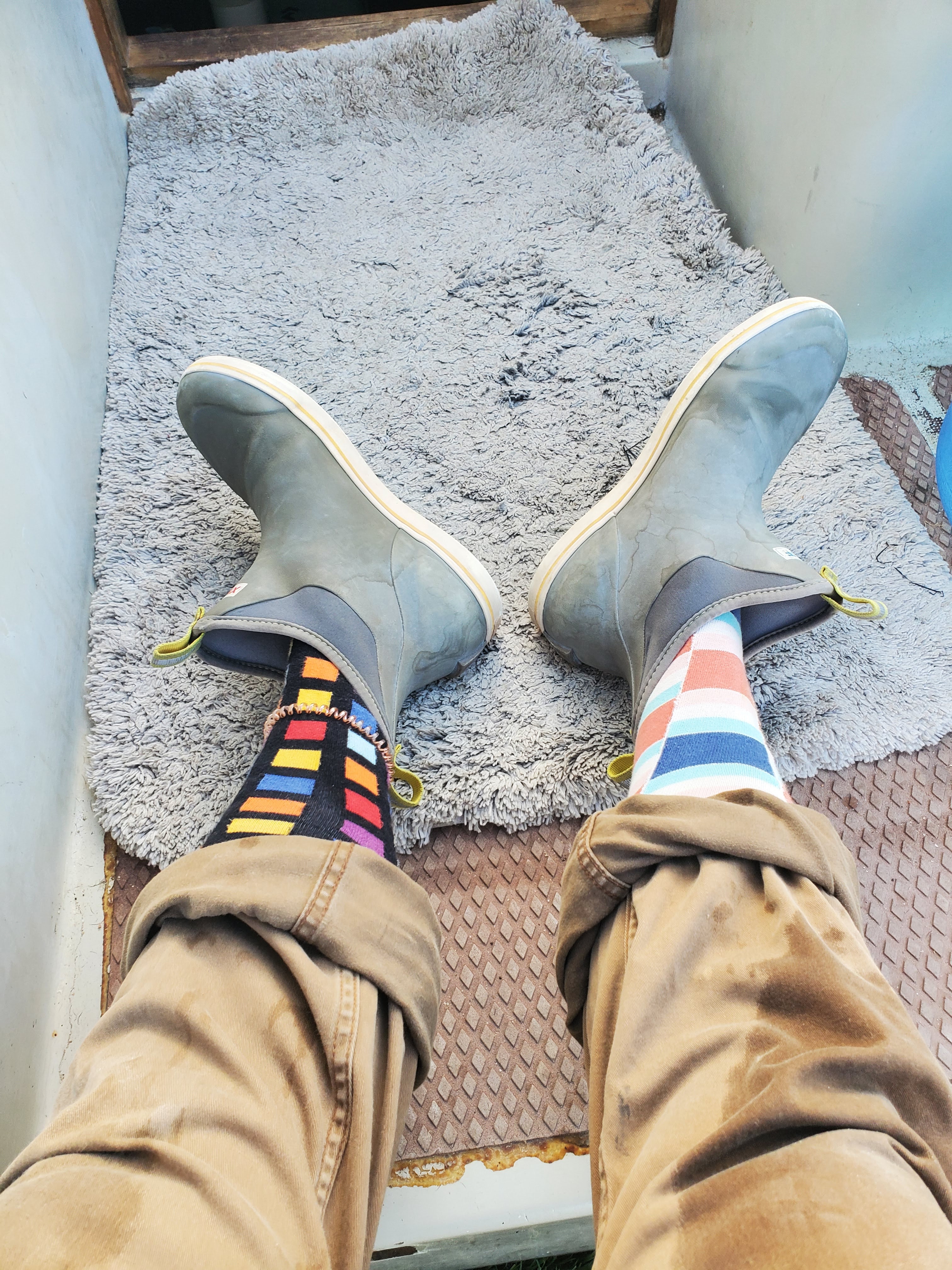
So allow me to take this platform to gently remind the bozo that lies in all of us that there’s a marked difference between honing your spendthrift skills and just behaving an entitled asshole or a thief. I’m going to continue to buy in bulk, to wash and reuse plastic bags, to wear my clothes until there is more hole than cloth (and then turn them into rags). I’ll walk long distances or ride the bus instead of taking a taxi or ride share. I row my dinghy instead of purchasing a little engine that needs to be fed a diet of costly gasoline. These are the tradeoffs that I make either because I enjoy them or because it helps me keep a shadow of financial balance. But make no mistake, they are payments to the piper. Because no matter what you’ve read in the Port-o-Potties of the world, there’s no such thing as a free lonch.
 Zach In The World